

 Blog
Blog
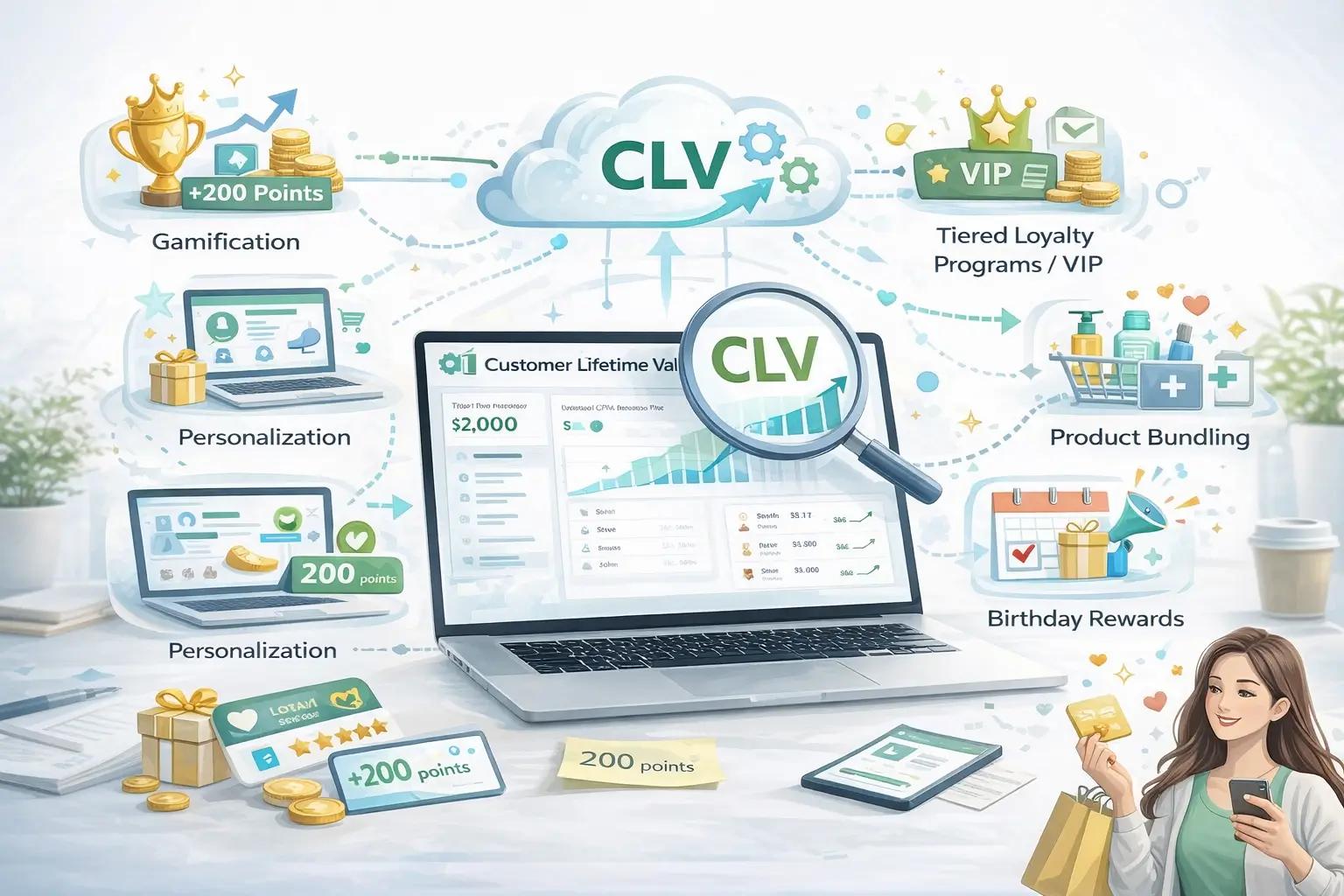


If you run a Shopify store, work in marketing, or want to build stronger relationships with your customers, you’re in the right place. In this guide, we’ll explore one of the most important metrics for long-term business success: Customer Lifetime Value (CLV).
But first, think about this question.
Would you prefer customers who buy from your store once and never return, or customers who continue coming back, purchasing repeatedly, and recommending your brand to others?
The answer is obvious—every business wants loyal, returning customers.
That’s exactly where Customer Lifetime Value becomes important.
In this guide, we’ll explain what CLV is, why it matters, and practical strategies you can implement to increase it using real-world examples.
Understanding Customer Lifetime Value (CLV)
Customer Lifetime Value represents the total profit a business expects to earn from a customer throughout their entire relationship with the brand.
In simple terms, CLV measures how valuable a single customer is to your business over time.
Instead of focusing only on individual purchases, CLV looks at the long-term revenue generated from repeat customers.
How to Calculate Customer Lifetime Value
A common formula used to calculate CLV is:
CLV = (Average Purchase Value × Purchase Frequency) ÷ Customer Retention Cost
For example:
- Average purchase value: ₹5,000
- Purchases per year: 4
- Annual retention cost: ₹1,000
In this scenario, the customer lifetime value would be:
CLV = ₹20,000
This means that maintaining a long-term relationship with that customer generates ₹20,000 in revenue.
Why Customer Lifetime Value Is Important
CLV is more than just a number—it reflects customer loyalty and business sustainability.
A higher CLV means:
- Customers trust and prefer your brand
- Marketing costs decrease because repeat buyers require less acquisition effort
- Your business generates more predictable revenue
Loyal customers not only purchase repeatedly but also recommend your brand to others, helping you grow organically.
How to Increase Customer Lifetime Value
Improving CLV usually involves focusing on three key areas:
- Increasing purchase frequency
- Increasing average cart value
- Reducing customer retention costs
Let’s explore each of these strategies.
1. Increasing Purchase Frequency
The more often customers return to your store, the higher their lifetime value becomes.
Here are several strategies to encourage repeat purchases.
Personalization
Personalized experiences make customers feel valued and understood.
Think about walking into a physical store where the staff already knows your preferences. You can recreate this experience online using customer data to personalize recommendations and promotions.
Example:
Streaming platforms like Netflix recommend shows based on your viewing history, while Amazon suggests products based on previous purchases.
Similarly, Shopify stores can send personalized emails or product recommendations based on browsing or purchase history.
Expiring Loyalty Points
Adding expiration dates to loyalty points can encourage customers to make purchases sooner rather than later.
This strategy creates a sense of urgency and prevents customers from forgetting about their rewards.
Example:
Starbucks reminds customers when their reward points are about to expire, encouraging them to visit the store again before losing those benefits.
Gamification with Badges and Challenges
Gamification can make shopping more engaging by rewarding customers for their actions.
For instance, customers can earn badges or rewards for completing certain milestones, such as making multiple purchases or engaging with your brand.
Example:
Duolingo motivates users with streaks and badges for daily learning. Ecommerce stores can apply similar concepts by rewarding customers after reaching specific purchase milestones.
Birthday Rewards
A small personalized gesture can create a memorable customer experience.
Offering a birthday discount, gift, or special offer can encourage customers to make a purchase during their birthday month.
Example:
Sephora’s Beauty Insider program provides birthday gifts to its members, strengthening customer loyalty and encouraging repeat purchases.
2. Increasing Average Cart Value
Once a customer begins browsing your store, the next goal is to encourage them to purchase more items in a single order.
Here are several ways to increase the value of each purchase.
Tiered Loyalty Programs
Tiered loyalty systems reward customers as they spend more money with your brand.
As customers move up the tiers, they unlock better benefits and exclusive rewards.
Example:
Delta Airlines’ SkyMiles program offers increasing benefits such as priority boarding and lounge access as customers reach higher spending levels.
Similarly, ecommerce stores can offer perks like free shipping, exclusive discounts, or early product access to top customers.
High-Value Rewards
Customers are more motivated when rewards feel meaningful or exclusive.
Instead of offering small discounts, consider rewards that create a stronger perception of value.
For example, luxury hotels often include complimentary experiences such as spa treatments or free nights.
Online stores can replicate this concept by offering limited-edition products, exclusive bundles, or special experiences.
VIP Membership Programs
Creating a VIP membership program can help strengthen customer loyalty.
These programs provide premium benefits to customers who reach a specific spending threshold.
Example:
Amazon Prime offers benefits such as free shipping, exclusive deals, and entertainment content.
A similar strategy could include exclusive sales, priority customer support, or special product launches for VIP members.
Product Bundling
Bundling related products together can encourage customers to purchase more items in one transaction.
This strategy increases perceived value while boosting the overall order value.
Example:
Fast-food chains like McDonald’s use meal bundles to increase average order value.
Ecommerce stores can bundle related items—for example, a skincare set that includes moisturizer, serum, and sunscreen.
3. Reducing Customer Retention Costs
Retaining customers doesn’t always require a large marketing budget. Smart strategies can maintain customer engagement while keeping costs manageable.
Members-Only Benefits
Offering exclusive benefits to loyal customers can encourage repeat purchases while strengthening brand loyalty.
Many ecommerce businesses provide benefits like free shipping or early access to sales for registered members.
These perks make customers feel special and more connected to the brand.
Social Media Contests and UGC Campaigns
User-generated content campaigns can increase engagement while promoting your brand organically.
Hosting contests on social media encourages customers to share photos, reviews, or experiences with your products.
Example:
A jewelry brand once asked customers to post photos wearing their products using a specific hashtag. The winning participant received a free necklace, while the campaign generated thousands of posts and increased brand visibility.
Predicting Customer Churn
Businesses can use CRM tools to identify customers who may be at risk of leaving.
By analyzing customer activity and purchase patterns, companies can send targeted promotions or reminders to re-engage inactive customers.
Example:
A subscription box service noticed a customer hadn’t renewed their plan and offered a 20% discount on renewal. The customer returned, increasing their lifetime value.
Real-Life Example: Starbucks
Starbucks is a great example of how businesses can successfully increase Customer Lifetime Value.
Their loyalty program rewards customers with benefits such as:
- Free birthday drinks
- Personalized promotions
- Easy-to-earn reward points
One particularly successful campaign was “Stars for Everyone,” where customers earned bonus rewards for purchasing certain items.
This strategy increased both purchase frequency and order size.
Starbucks also uses customer data to deliver personalized offers, making customers feel valued and appreciated.
Today, their loyalty program contributes to nearly 40% of the company’s total sales.
Final Thoughts
Increasing Customer Lifetime Value is not just about boosting profits—it’s about building lasting relationships with your customers.
By focusing on personalization, loyalty rewards, and exclusive experiences, businesses can transform one-time buyers into loyal brand advocates.
The strategies discussed in this guide are not just theoretical concepts—they are proven approaches used by successful brands.
Start implementing these ideas in your Shopify store today, and you’ll likely see stronger customer loyalty, higher repeat purchases, and long-term business growth.