

 Blog
Blog
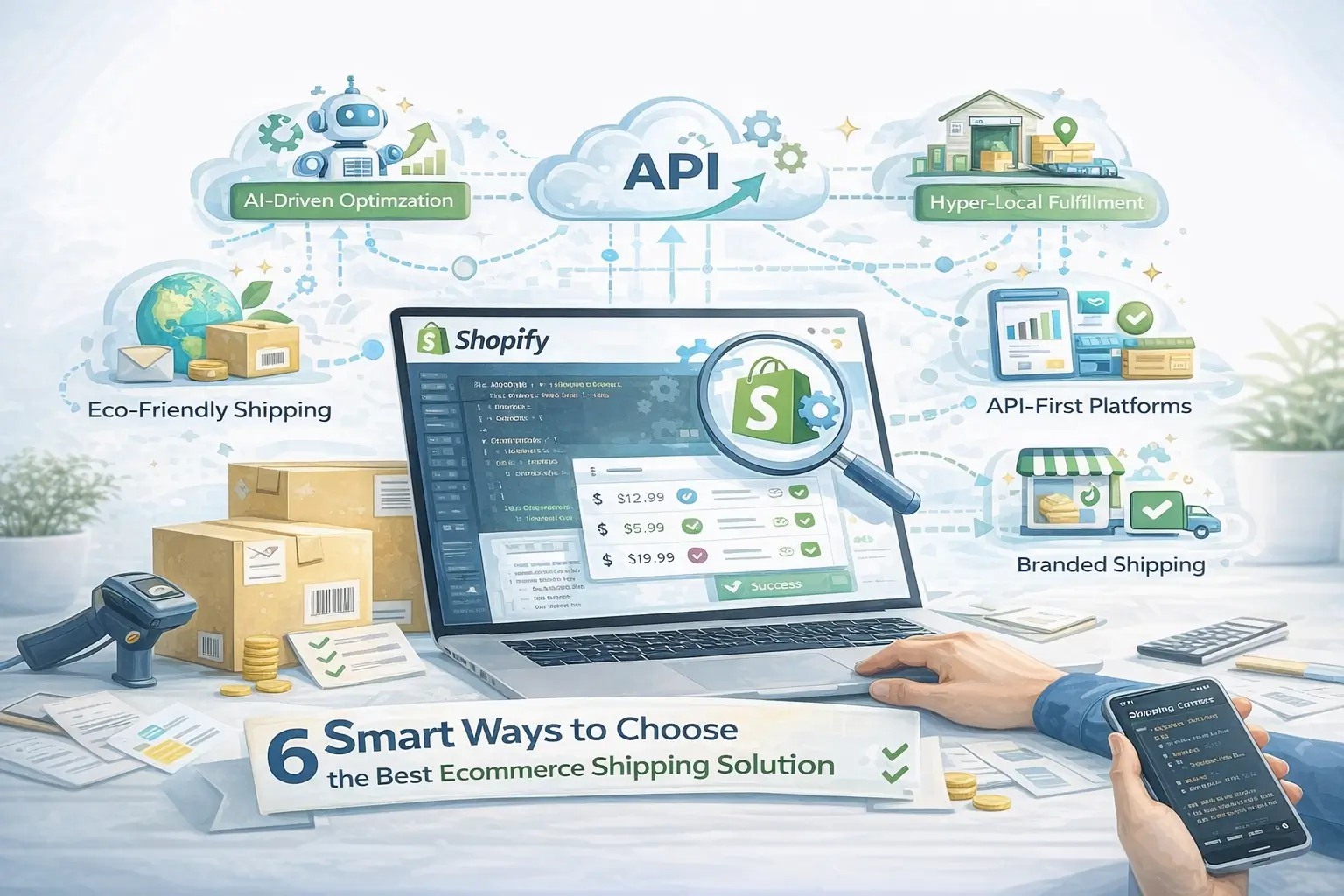


Running an ecommerce business in 2025 involves much more than simply offering great products. The speed, cost, and reliability of your shipping process now play a major role in determining whether customers complete their purchases or abandon their carts.
Shipping is no longer just an operational task in the background—it directly impacts conversions, customer satisfaction, and brand loyalty.
Consider these insights:
- 66% of online shoppers expect free shipping on every order.
- 48% abandon their carts when unexpected shipping costs appear.
- 55% of customers are willing to pay for same-day delivery, while 45% would pay for next-day delivery.
- 68% actively look for shorter delivery windows before completing checkout.
These statistics highlight a simple truth: your shipping strategy can significantly influence purchasing decisions.
However, with so many logistics providers, pricing models, and delivery options available, selecting the right ecommerce shipping solution can feel overwhelming.
In this guide, we’ll explore six practical and often overlooked strategies that can help you choose a shipping solution that saves money, improves customer experience, and supports long-term growth.
How to Choose the Right Ecommerce Shipping Solution for Your Brand
Before selecting a shipping provider, it’s important to evaluate solutions that align with your business goals, customer expectations, and operational requirements.
Here are six smart approaches to help you make the right decision.
1. Prioritize AI-Driven Logistics Optimization
Choosing the cheapest shipping carrier is no longer the most effective strategy. Many modern ecommerce businesses are now turning to AI-powered logistics platforms that go beyond basic label generation.
These systems can analyze shipping data and automatically determine the most efficient delivery options.
AI-powered shipping platforms can evaluate factors such as:
- Historical delivery performance
- Real-time traffic conditions
- Weather disruptions
- Carrier reliability and costs
Tools like Shipium and FarEye are leading the shift toward predictive logistics, helping businesses optimize deliveries dynamically.
Benefits of AI-driven shipping platforms include:
- Reduced delivery delays
- Automated carrier selection for cost efficiency
- Faster responses to disruptions such as weather or port congestion
When evaluating solutions, consider whether the platform offers predictive analytics, automated routing, and real-time decision-making capabilities.
While AI tools may require a higher initial investment, they often deliver long-term savings through improved operational efficiency.
2. Use Hyper-Local Fulfillment to Enable Same-Day Delivery
Fast delivery is no longer a luxury—it has become an expectation.
In many urban areas, customers now expect same-day or next-day shipping, which means businesses must rethink traditional warehouse models.
Hyper-local micro-fulfillment centers (MFCs) allow businesses to store inventory closer to their customers. Instead of shipping from one central warehouse, orders can be dispatched from local facilities, significantly reducing delivery times.
Platforms like ShipBob and Bolt Fulfillment offer distributed warehouse networks that support fast delivery across major regions.
When evaluating fulfillment providers, consider asking:
- Do they operate fulfillment centers near your largest customer markets?
- Can they integrate with ecommerce platforms like Shopify or WooCommerce?
- Do they automate order routing based on inventory location?
With micro-fulfillment solutions becoming more accessible, even small and mid-sized businesses can now compete with large retailers in delivery speed.
3. Make Sustainability Part of Your Shipping Strategy
Eco-friendly shipping practices are becoming increasingly important for ecommerce brands. Many consumers prefer businesses that demonstrate environmental responsibility.
Sustainable shipping strategies can strengthen brand reputation while also attracting environmentally conscious customers.
Look for shipping providers that offer features such as:
- Carbon-neutral shipping programs
- Electric vehicle delivery fleets
- Recyclable or biodegradable packaging materials
Major carriers like UPS and USPS, as well as platforms like Easyship, now include sustainability initiatives within their services.
Adopting environmentally responsible shipping practices not only reduces environmental impact but also helps position your brand as forward-thinking and socially responsible.
4. Improve Post-Purchase Experience with Branded Tracking
Many ecommerce businesses invest heavily in optimizing product pages and checkout flows, but the post-purchase experience often receives less attention.
However, the time between order placement and delivery offers valuable opportunities to strengthen customer relationships.
Branded tracking pages allow customers to follow their shipment progress within a branded environment rather than being redirected to generic carrier websites.
Benefits of branded tracking include:
- Reduced customer support inquiries
- Increased customer engagement
- Opportunities to promote additional products or offers
Solutions such as AfterShip support tracking integrations with thousands of carriers while allowing brands to customize tracking pages.
When choosing a shipping solution, consider whether it supports branded tracking experiences and provides analytics on customer engagement during delivery.
5. Choose API-First Shipping Platforms for Flexibility
As ecommerce businesses scale, their technology stacks often become more complex. Different tools manage inventory, orders, returns, and shipping.
API-first shipping platforms help connect these systems seamlessly.
With API integrations, businesses can:
- Automate shipping label creation
- Sync order data across systems
- Integrate shipping workflows with OMS, WMS, and ERP platforms
Developer-friendly tools like Shippo and EasyPost provide flexible APIs that allow businesses to integrate shipping directly into their operational workflows.
Benefits of API-based shipping platforms include:
- Reduced manual work
- Lower risk of operational errors
- Faster scalability as your business grows
Before selecting a provider, review their API documentation, developer support, and compatibility with your existing ecommerce systems.
6. Use Hybrid Shipping Models to Balance Cost and Speed
Not every order requires overnight delivery. Many customers are willing to wait slightly longer if it means paying lower shipping costs.
Hybrid shipping models combine different carriers to optimize costs.
For example:
- A major carrier such as UPS or FedEx handles the initial transit.
- USPS manages the final mile delivery.
Services like UPS SurePost and FedEx SmartPost provide cost-effective alternatives for non-urgent shipments.
Advantages of hybrid shipping include:
- Lower shipping costs
- Full tracking visibility
- Better options for price-sensitive customers
When evaluating shipping solutions, look for features such as real-time carrier rate comparisons and the ability to offer multiple delivery options at checkout.
Providing both express and economy shipping choices allows customers to select the option that best fits their needs.
Final Thoughts
There is no universal ecommerce shipping solution that works perfectly for every business—and that’s actually a good thing.
Different brands have different customer expectations, product types, and delivery priorities. The key is to continuously test and refine your shipping strategy.
Start with small improvements, monitor customer feedback, and analyze shipping performance regularly.
Remember, shipping is not just about delivering products. It is about delivering reliability, trust, and a positive experience that keeps customers returning to your store.
By choosing the right shipping solution and adapting your strategy over time, you can reduce costs, improve customer satisfaction, and build a stronger ecommerce brand.